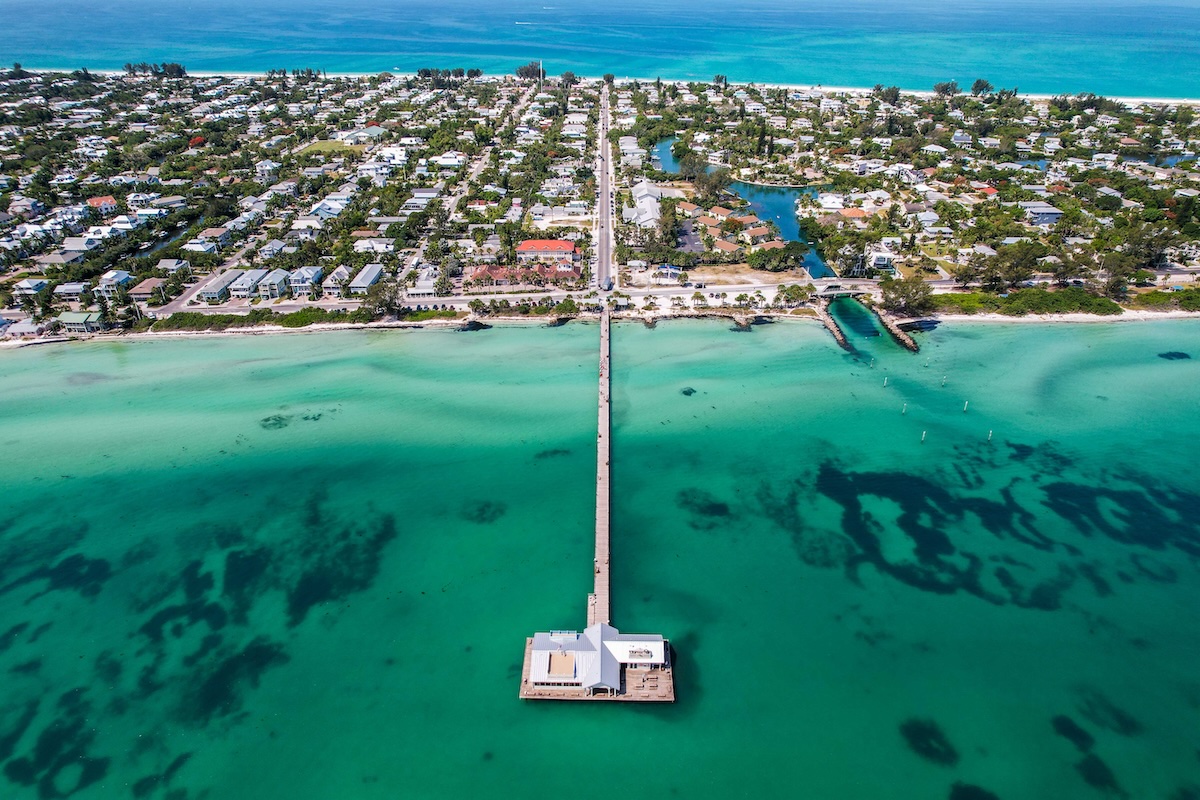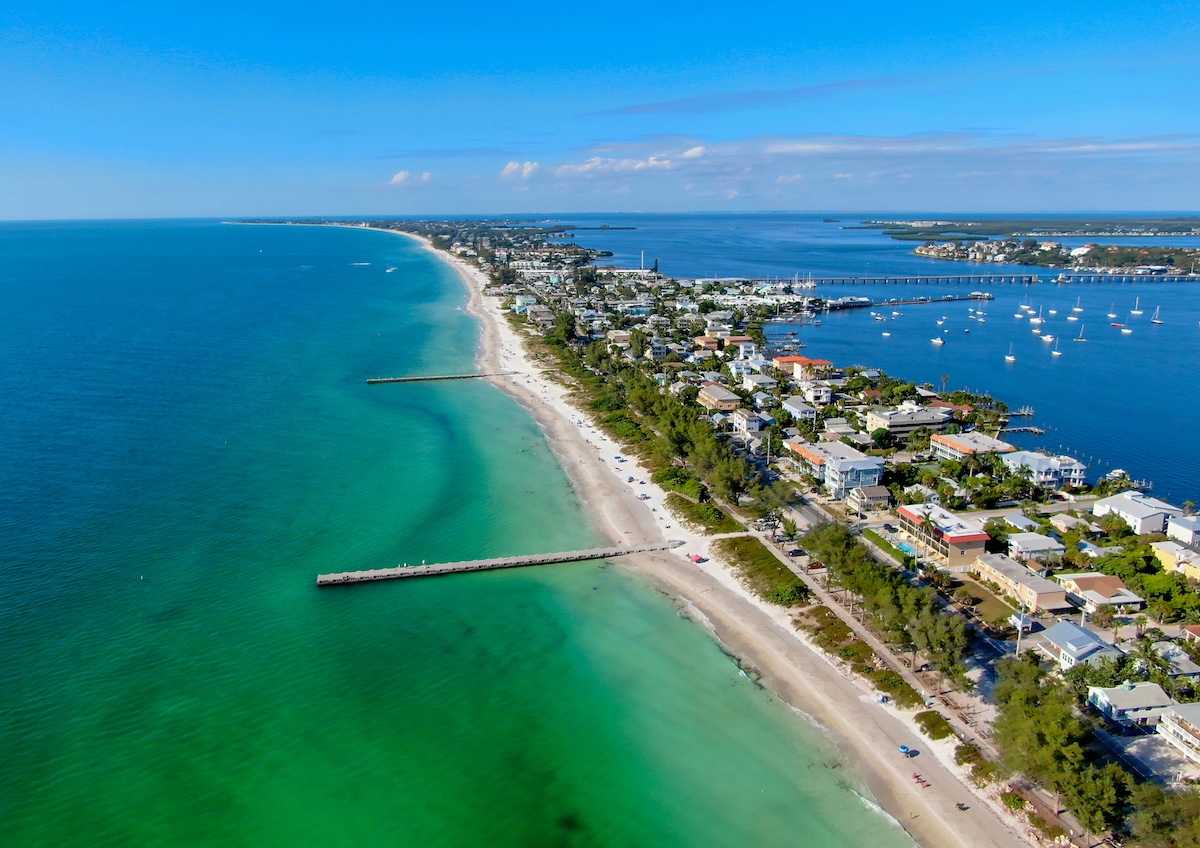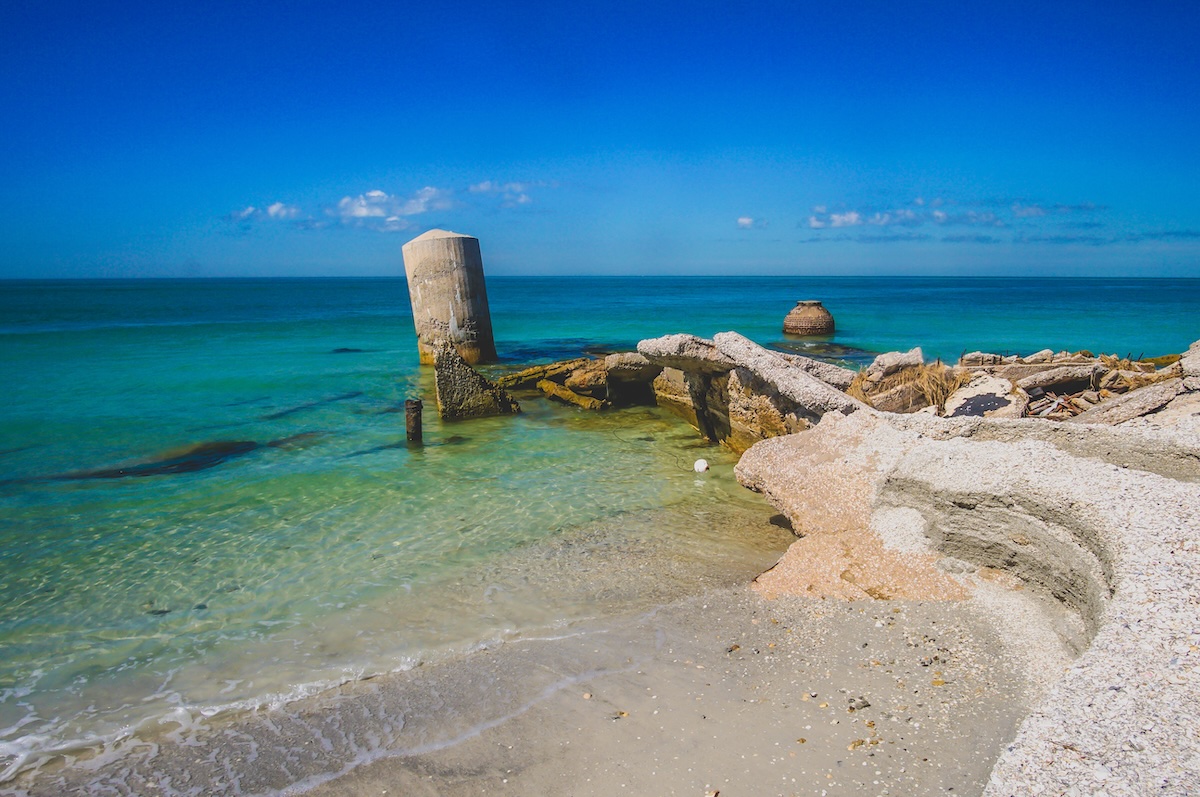
Ah, Egmont Key—a place that sounds as though it were plucked straight from the ink-stained pages of some forgotten naval journal, its name whispered among old salts and seabirds alike. This island lies precisely at the mouth of Tampa Bay, standing watch where the Gulf breathes into the estuary. To its north, you’ll find Fort De Soto. To its south, the shores of AMI (and many fun Anna Maria Island boat tours).
Egmont Key may only be a few miles off the coast of Florida’s Gulf side, but setting foot on its shores feels like stepping into another world. This undeveloped island is home to centuries-old ruins, rare wildlife, a still-functioning lighthouse, and untouched beaches you won’t find on the mainland. It’s a favorite among local nature lovers, history buffs, and anyone who enjoys exploring Florida’s lesser-known islands.
Whether you’re curious about how to get there, what you’ll see, or what makes boat trips to Egmont Key worth it, this guide covers everything you need to know before making the trip.
Where Is Egmont Key?
Egmont Key is located at the mouth of Tampa Bay, between the northern tip of Anna Maria Island and the southwestern edge of Fort De Soto Park. This makes it somewhat of a geographic midpoint between Manatee and Pinellas counties. Though Egmont Key is only accessible by boat, it’s close enough to reach in under an hour from many coastal areas including St. Pete Beach, Bradenton Beach, and Tierra Verde.
Despite its proximity to busy waterfront towns, Egmont Key remains undeveloped and protected—part state park, part national wildlife refuge. Because of this protected status, Egmont Key has remained one of the most pristine barrier islands in the region. It’s known for its clear, shallow water, wildlife, and the ruins of Fort Dade, which still crisscross the island’s interior. Whether you’re leaving from the Tampa Bay area or the northern Gulf Coast beaches of Anna Maria Island, this island is one of the most unique destinations accessible by boat in the region.
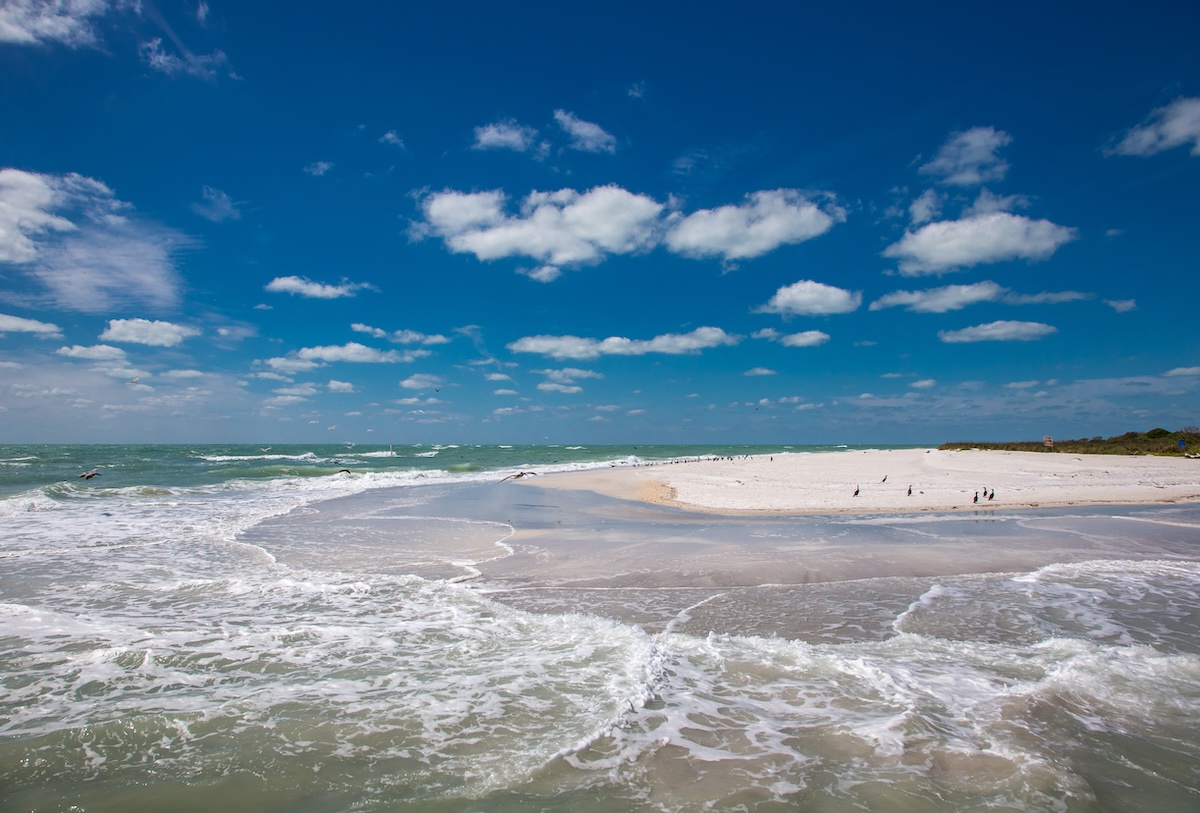
How Exactly Do You Get to Egmont Key?
There are no bridges, roads, or ferries to Egmont Key that operate like a standard public transportation system. It is undeveloped by design, protected under the dual stewardship of the Florida Park Service and the U.S. Fish and Wildlife Service. That said, it’s hardly remote in terms of modern logistics. From St. Pete Beach, Bradenton Beach, or even Tierra Verde, you’re rarely more than a 30–60 minute boat trip away.
To get there, you have a few options:
1. Guided Boat Tours (Most Popular)
Most visitors choose to visit on a guided boat tour that departs from nearby marinas. These tours handle the navigation and safety logistics, provide insight into the island’s history and ecology, and often include gear for snorkeling or beach fun.
Reaching the island via boat tour is easier than many expect. From popular coastal communities like St. Pete Beach, Bradenton Beach, Holmes Beach, and Tierra Verde, many guided boat tours can arrive at Egmont Key in 20 to 45 minutes, depending on the marina and route. Launch points in Anna Maria, Cortez, and Fort De Soto are especially common for tours to Egmont Key, thanks to their close proximity and easy access to the Gulf.
2. Private Boat
Experienced boaters can chart their own course to the island. However, docking is limited (there’s no pier—boats must anchor offshore), and tides, winds, and shoals can complicate landings. It’s a beautiful journey, but better suited to those familiar with the area.
3. Kayak or Paddleboard
Paddling from Fort De Soto or Anna Maria Island is possible in good conditions, but requires advanced skill and favorable weather. This route is not recommended for beginners or during strong tides.
What to Expect on an Egmont Key Boat Tour
A boat tour to Egmont Key offers much more than simply transportation. It’s a full experience. Here’s what you can expect during your visit:
Historical Sites

- Fort Dade Ruins: Walk the crumbling brick streets of a once-bustling military outpost from the Spanish-American War era. Built to defend Tampa Bay from potential naval threats, Fort Dade once housed over 300 residents, with its own hospital, power plant, and tennis courts. Today, you can still trace the old roads, peek into gun batteries, and see where officers’ quarters once stood, slowly being reclaimed by sand and scrub.
- Egmont Key Lighthouse: Originally built in 1848 and rebuilt in 1858, it still functions today. The grounds are not open to climb, but it’s a striking photo opportunity. The lighthouse is one of Florida’s oldest still-active beacons and played a vital role in guiding ships into the bay for over 160 years. Although the tower is fenced off, its towering white silhouette is visible from nearly every side of the island and remains a centerpiece of Egmont Key’s identity.
Nature and Wildlife

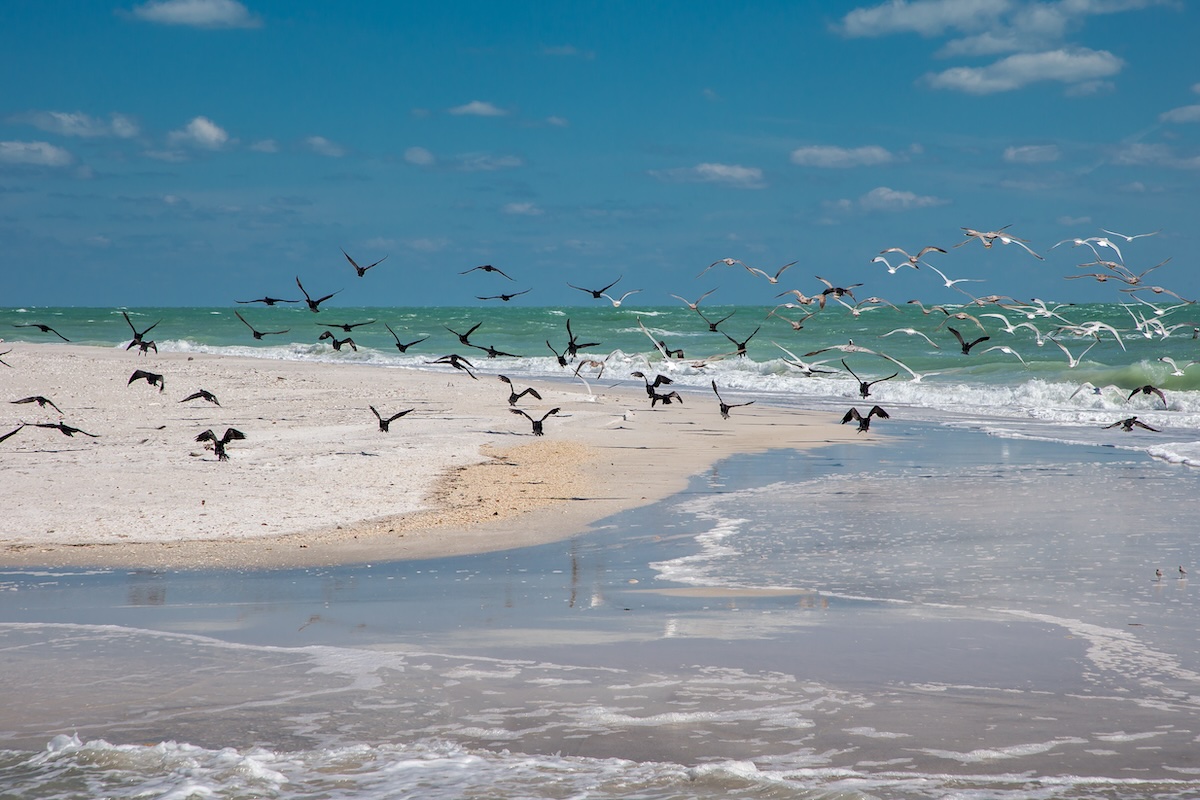
- Coastal Birds: Egmont Key is a protected nesting ground for terns, pelicans, herons, and other coastal birds. Parts of the island are seasonally closed to foot traffic to protect active nesting sites, especially during spring and summer. Visitors often spot large flocks soaring overhead or resting in the dunes, and the island is part of the Great Florida Birding Trail, making it a favorite stop for birdwatchers.
- Dolphins and Manatees: These marine mammals are often spotted on the way to or from the island. You may see bottlenose dolphins riding the wakes of passing boats, while manatees tend to stay closer to seagrass beds and shallow coves. Calm, clear days offer the best chance for sightings, especially during warmer months when both species are more active in Tampa Bay.
- Tortoises: The island is home to a thriving population of gopher tortoises, which are often seen slowly making their way through the brush. These keystone species dig deep burrows that provide shelter not just for themselves, but for dozens of other animals. It’s not uncommon to see them near the fort ruins or along sandy trails—just be sure to give them space and observe quietly.
- Other Wildlife: Beyond the above species, Egmont Key supports a wide mix of coastal and marine life. Shorelines and shallow flats can reveal rays gliding over the sand, schools of fish moving through clear water, and crabs and mollusks tucked along the tideline. On land, lizards, butterflies, and small mammals are common sights, especially along interior paths where the island’s scrub and dune habitats stay largely undisturbed.
Beaches and Water
-
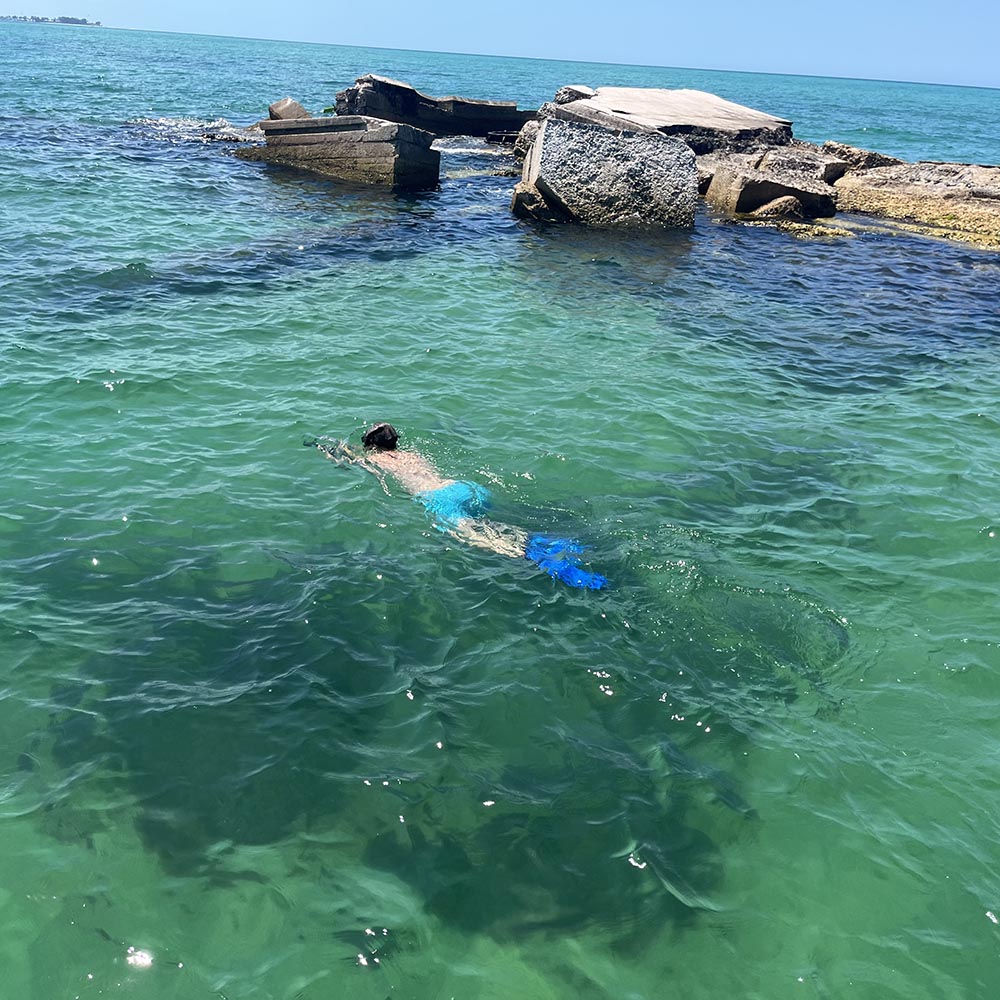
- Snorkeling: Shallow, clear waters near the island are ideal for snorkeling around ruins and reefs. Submerged parts of Fort Dade and old pilings attract small fish and crabs, making the island a great spot for beginners or casual snorkelers. Visibility is great on calm days with incoming tide, especially near the southern and eastern shores.
- Shells: The beaches are a shell hunter’s dream—especially along the northern stretches. You’ll find lightning whelks, olives, scallops, sand dollars, and the occasional horse conch washed up along the high tide line. Be sure to follow all posted regulations to protect the island’s ecosystem.
- Swimming and Relaxing: There are no lifeguards, but many stretches of beach are great for wading and floating. The Gulf side offers gentle surf and sandy shallows, while the bay side can be calmer and better for relaxing in the water on a float. Visitors often bring beach mats or chairs and spend a few hours soaking up the sun in total peace.
Egmont Key offers the same off-the-map feeling as the Dry Tortugas—without the hours-long ferry ride or seaplane logistics/expense. You get remote beaches, historic ruins, and wildlife-rich waters, all just a short boat ride from the mainland. It’s a hidden escape that feels far-flung, yet is surprisingly accessible.
What to Bring and Prepare For

Even with the convenience and peace of mind that comes from a guided boat tour, Egmont Key remains a wild place—and that’s a large part of its appeal. But with that comes the need for a bit of personal preparation. There are no shops, vending machines, or shaded boardwalks waiting for you ashore. It’s just you, the sand, the sun, and the island’s untamed beauty. Here’s how to make sure you’re ready.
-
-
- Sunscreen and Sun Protection – The island offers very little natural shade, and the open landscape—beaches, dunes, and open trails—typically means full sun exposure for the majority of your visit. (Remember to check the day’s weather and conditions before embarking on a boat trip to Egmont Key.) High-SPF sunscreen is essential, and you’ll be glad for a wide-brimmed hat, polarized sunglasses, or even a lightweight long-sleeve shirt if you plan to spend more than a couple of hours out there.
- Water and Snacks – There are no concessions or potable water sources on the island. Whatever you want to drink or eat, you’ll need to bring it with you—and bring more water than you think you’ll need. Between the sun, salt, and walking, it’s easy to get dehydrated without realizing it. A small cooler or insulated bag can make a big difference, especially on warmer days.
- Comfortable Footwear – Parts of the island are soft sand, but many of the most interesting areas—like the Fort Dade ruins—include uneven paths, patches of crushed shell, and broken pavement. High-quality, supportive sandals, hiking-style water shoes, or sturdy sneakers can work well for walking while still allowing you to kick them off when it’s time to hit the beach.
- Bug Spray – Mosquitoes and no-see-ums can be an issue, especially in the warmer months and toward the interior paths. A good insect repellent will help you explore without swatting the whole time, and it’s a must if you plan to linger around the ruins or vegetation-rich areas.
- Leave No Trace – Egmont Key is a designated wildlife refuge, home to delicate dune ecosystems, gopher tortoises, nesting seabirds, and marine habitats. Visitors are expected to pack out everything they bring in—this includes wrappers, bottles, fruit peels, and anything else you might be tempted to leave behind. There are no trash cans on the island, so bring a small bag to carry out your waste.
-
🧭 Optional Extras That May Be Provided By Egmont Key Boat Tours
Depending on your guide, you may have access to gear that makes your time on the island even more enjoyable. Some boat trips to Egmont Key include snorkel sets, underwater scooters, inflatable paddleboards, floating sun mats, and beach games—all designed to help you explore, relax, and enjoy the island in your own way. Be sure to check ahead so you know what’s provided—and what to leave behind.
Frequently Asked Questions
Q: Can you stay overnight on Egmont Key?
No, overnight stays and camping are not permitted. Egmont Key is strictly a day-use destination, and all visitors must depart by sunset. The island’s protected status as both a state park and wildlife refuge means it’s carefully managed to preserve its ecosystems, which includes limiting human presence to daylight hours only. If you’re hoping to soak in the solitude, plan for a morning or midday visit.
Q: Is there an entrance fee to Egmont Key State Park?
No park entrance fee is required, but donations to support the park are always welcome.
Q: Are there bathrooms on the island?
Yes, there are basic restroom facilities near the old fort area, but they may not always be open or maintained, especially during the off-season or after storms. Visitors are advised to plan accordingly—use the facilities before departure and pack hygiene supplies just in case.
Q: What’s the best time of day or season to visit Egmont Key?
Egmont Key can be visited year-round, but conditions vary by season. Mornings typically offer calmer seas and better visibility for snorkeling, while summer months bring warmer water and a chance to spot more marine life. Winter and spring are excellent for wildlife viewing and exploring without the heat, though occasional cold fronts can kick up wind and chop.
For up-to-date wind, tide, and weather conditions, check the live forecast below before you head out:
Q: Can I bring my dog?
Pets are not allowed on Egmont Key due to its status as a wildlife refuge. This rule is in place to protect the island’s sensitive wildlife, especially nesting seabirds and resident tortoises. Even well-behaved dogs can disturb animal habitats or leave scents that affect nesting behavior. If you’re traveling with a dog, it’s best to make arrangements before your trip or explore pet-friendly beaches on the mainland instead.
Final Thoughts
Egmont Key isn’t the kind of place you stumble upon—it’s the kind you set out to discover. Tucked just offshore yet untouched by the bustle of the mainland, the island holds a quiet magic that’s equal parts natural sanctuary and historical time capsule. One moment you’re walking beneath the remnants of a military fort, the next you’re spotting a tortoise shuffling through the sea oats or floating above submerged ruins in shallow, crystalline water.
Whether you’re drawn by the chance to snorkel over ancient brick foundations, wander shell-strewn beaches, or simply breathe in the stillness of a place without roads or crowds, Egmont Key rewards the curious. It feels remote, without being unreachable.
For most visitors, the journey begins with a boat—and for many, that means joining a guided tour. It’s not a simple ferry to Egmont Key, it’s a front-row seat to the natural and historical layers that define this part of Florida. With a tour, you’re not just going to Egmont Key—you’re stepping into the story it’s been telling for over a century.
Ready to head out to Egmont Key? Call Island Way Excursions at 813-541-6571 or book your adventure online!